Is it Time to Scrap CVs? | FinTech Connect 2026 Preview
27 October, 2026


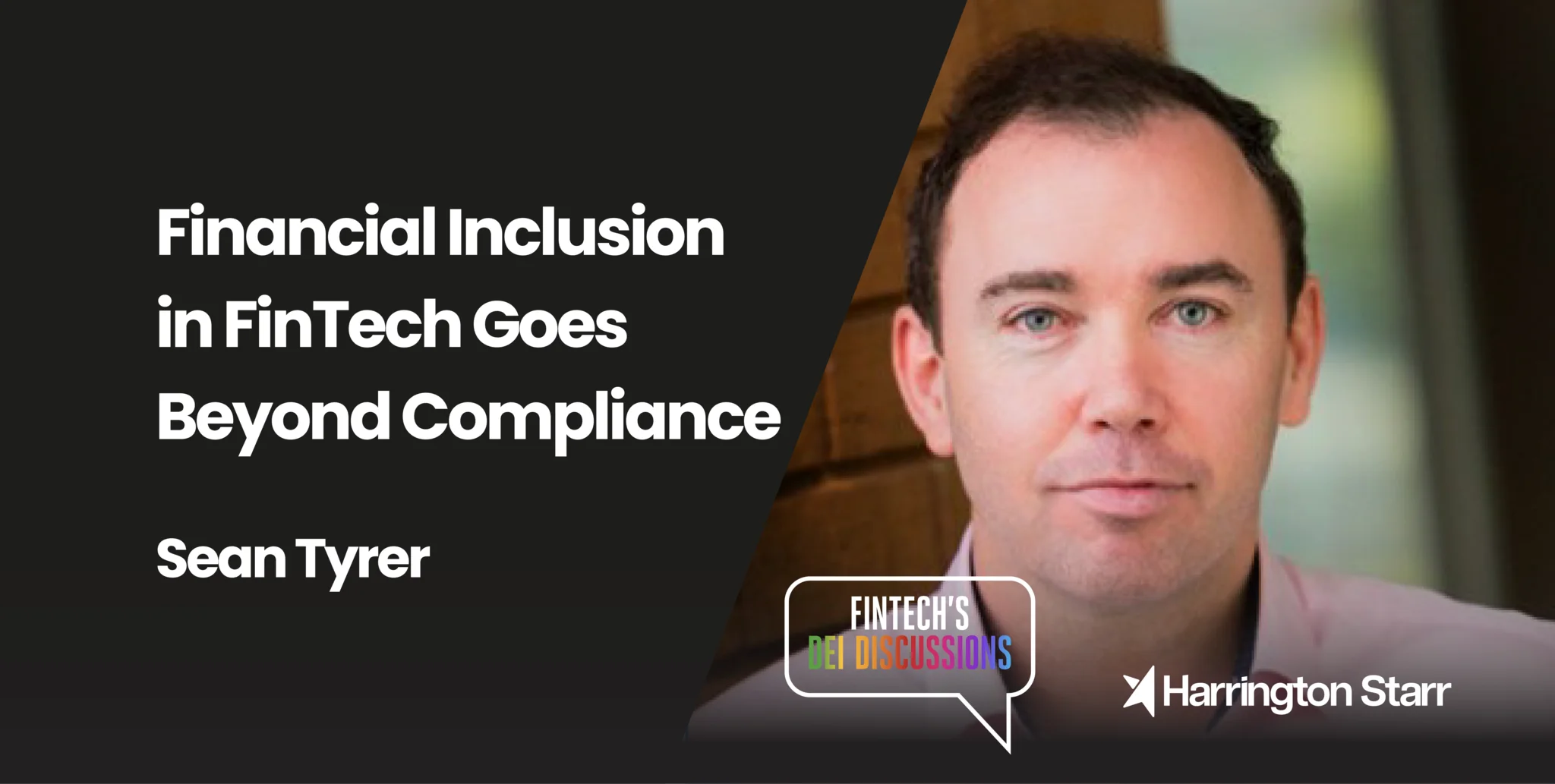
In this episode of FinTech’s DEI Discussions, hosted by Nadia Edwards-Dashti, Sean Tyrer, CEO and Founder of the Money Carer Group of Companies, delivers a powerful and deeply practical perspective on what financial inclusion truly means in today’s FinTech landscape. From the outset, this conversation goes beyond surface-level discussions of diversity and inclusion, instead focusing on real-world application, human impact, and the systemic changes required to ensure financial services work for everyone.
Sean’s journey into FinTech is rooted in both entrepreneurial ambition and lived experience. Starting his career in FMCG with well-known brands, he always knew he wanted to build something of his own. The turning point came from a simple but relatable problem: struggling to manage personal finances efficiently while leading a busy professional life. Unable to find a service in the UK that could solve this problem, Sean identified a gap in the market and built the first bill payment service for busy professionals. This idea would eventually evolve into something far more impactful: the creation of Money Carer, a service designed to support vulnerable individuals with financial management.
This origin story is critical because it highlights a recurring theme throughout the episode: innovation in FinTech does not always start with complex technology. Often, it begins with identifying a real problem and applying common sense to solve it. For organisations operating within financial services and financial technology recruitment, this mindset is increasingly important. The ability to understand human challenges and translate them into scalable solutions is becoming a defining factor in both business success and talent demand.
Sean explains that at Money Carer, inclusion is not about ticking boxes related to background, identity, or personal characteristics. Instead, it is about assessing whether someone can do the job, whether they will thrive in the environment, and ensuring they are given the opportunity to succeed. This approach extends beyond hiring and into employee development. He shares examples of individuals who joined the organisation in roles that did not initially suit them, only to have their positions reshaped around their strengths, allowing them to flourish.
This insight speaks directly to a growing trend within FinTech recruitment: the shift from rigid role definitions to more flexible, skills-based hiring models. As financial technology continues to evolve, companies that can adapt roles to individuals, rather than forcing individuals into predefined roles, will be better positioned to attract and retain top talent.
A central theme throughout the episode is the distinction between financial inclusion as a regulatory requirement and financial inclusion as a core business function. Sean highlights that for many banks and FinTech firms, inclusion is often treated as a compliance-driven exercise. In contrast, at Money Carer, it is embedded into every aspect of the organisation because it exists to support people who face barriers in accessing traditional financial services.
This creates a fundamentally different approach to product design, service delivery, and operational strategy. Sean provides a clear example through the challenge of KYC onboarding. Traditional financial systems rely heavily on documentation such as passports, driving licences, and utility bills, documents that many vulnerable individuals simply do not have. Instead of accepting this limitation, Money Carer worked closely with its banking partner to develop an alternative approach, allowing trusted professionals such as social workers or care providers to verify identity.
This example encapsulates the essence of practical financial inclusion. It is not about adding layers of complexity or introducing new technology for the sake of innovation. It is about removing barriers and creating systems that reflect the realities of the people they are designed to serve.
For FinTech organisations and those hiring within the sector, this highlights an important shift. There is increasing demand for professionals who can think beyond traditional frameworks, challenge existing processes, and design solutions that prioritise accessibility. This has significant implications for FinTech jobs, particularly in product, compliance, and customer experience roles.
Another key takeaway from the episode is the importance of partnerships in delivering effective financial services. Sean makes it clear that Money Carer’s success is not built in isolation. Instead, it relies on a complex ecosystem of relationships with local authorities, care providers, government bodies, and financial institutions.
Managing finances on behalf of vulnerable individuals is far more complex than simply paying bills. It involves navigating interactions with social services, the NHS, the Department for Work and Pensions, and often family members. Each of these stakeholders plays a role in the individual’s financial well-being, making collaboration essential.
This emphasis on partnerships reflects a broader trend across the FinTech industry. As the sector matures, the most successful organisations are those that can integrate seamlessly into wider ecosystems, rather than operating as standalone solutions. For recruitment professionals and hiring managers, this means prioritising candidates who can work cross-functionally, communicate effectively with multiple stakeholders, and understand the interconnected nature of financial services.
One of the most refreshing aspects of this conversation is Sean’s perspective on talent and career opportunities within the sector. He challenges the traditional emphasis on formal qualifications, instead highlighting the importance of life experience, empathy, and the ability to navigate complex human situations.
In a sector often dominated by technical skills and academic credentials, this viewpoint is both insightful and increasingly relevant. As financial services become more customer-centric, the ability to understand and respond to real-world challenges is becoming just as valuable as technical expertise.
Sean describes the roles within Money Carer as requiring a blend of skills typically associated with financial advisors, social workers, and legal professionals. This hybrid nature reflects the evolving demands of FinTech jobs, where interdisciplinary skill sets are becoming the norm.
For those working in FinTech recruitment, this represents a significant opportunity. By broadening the criteria used to assess candidates and recognising the value of transferable skills, organisations can access a wider and more diverse talent pool. This not only supports inclusion but also drives innovation by bringing different perspectives into the business.
The conversation also explores what inclusion looks like beyond hiring, particularly in the context of organisational culture and leadership. Sean shares an example of an exchange programme between the UK and South African teams within Money Carer, designed to foster collaboration, cultural understanding, and personal development.
This initiative highlights the importance of creating opportunities for employees to experience different parts of the organisation and develop a deeper connection to the company’s mission. It also reinforces the idea that inclusion is not a one-time action but an ongoing process that requires continuous investment.
For leaders within financial services and FinTech, this serves as a reminder that culture is built through action, not intention. Providing employees with opportunities to grow, learn, and connect with others is essential for creating an inclusive and engaged workforce.
As the episode draws to a close, it becomes clear that financial inclusion is not just a social responsibility but a business imperative. The ability to design inclusive financial systems, build diverse teams, and create meaningful partnerships will define the next phase of growth within the FinTech sector.
For organisations looking to hire, this means rethinking traditional approaches to recruitment and focusing on the skills and mindsets that will drive future success. For candidates, it highlights the importance of adaptability, empathy, and a willingness to challenge the status quo.
From a FinTech recruitment perspective, this episode offers valuable insights into the evolving demands of the industry. As financial services continue to transform, the need for talent that can bridge the gap between technology and human experience will only increase.
Ultimately, Sean Tyrer’s story and the work of the Money Carer Group of Companies demonstrate that meaningful change in FinTech does not come from technology alone. It comes from understanding people, identifying real challenges, and building solutions that make a tangible difference.