We are present at the creation.
The securities industry has historically had drivers that determine performance and profitability outcomes for all market participants – buy- and sell-side firms and the fintech firms that serve them. Among these drivers are technology, regulation, competition, and access to and use of information. And, of course, talent.
We are in a rapidly changing operating environment with many moving parts, and the final role that each market participant will have is yet to be determined. At Sterling, we sit at a useful vantage point – building the technology that both buy-side and sell-side firms rely on gives us a front-row view of where the industry is actually headed, not just where the headlines say it's headed. Discussions around talent and recruitment today must consider trends that have emerged rapidly, are still in flux, and are now part of the permanent landscape. These trends beg the question: where can we, as a firm, find “real” talent, and what are the skill sets firms will be looking for?
First among these trends is the adoption of AI across Wall Street. AI seemingly came out of nowhere and is now being rapidly implemented across firms because it delivers real, measurable efficiency gains that no firm serious about competing can afford to ignore. The blending of AI capability with human expertise is proving to be exceptionally powerful. This is exactly the philosophy we've built into our own platforms – AI as an amplifier of trader judgment, not a replacement for it. So, today's talent needs to be familiar with AI while also having the creative capability to innovate with it. Wall Street has had these developments before. In fact, the computer only replaced people as the mechanism for trading in the 1990s, and the professionals who thrived were those who mastered the new tools, not those who resisted them. Then, as now, facility with computers became an essential part of the recruitment equation.
The next most significant development is the tokenization of assets. Both the NYSE and Nasdaq have programs in place to begin trading tokenized equities by year-end, while the DTCC has launched its pilot program. Sterling has been tracking and building toward this shift closely, because it doesn't just change what's traded, it changes the infrastructure underneath trading itself. Interestingly, tokens reside at the nexus of a new asset class wed to new technology. This is a genuine paradigm shift, not incremental change: the token is the asset class; trading on chain is the technology that makes it real. Here too lies a significant recruitment opportunity, again tied to specialized expertise – one that will only expand for professionals in the securities industry in the years ahead. On the regulatory front, changes at the SEC and FINRA are eliminating rules that have outlived their purpose. But the regulatory framework for these new trends among the SEC, CFTC, and FINRA is still taking shape. As a practitioner, keeping an eye on these developments and responding intelligently is essential to a successful career trajectory. This is where firms with deep, hands-on regulatory experience have a distinct advantage in shaping what comes next, rather than simply reacting to it. So, what are the skills that will be required? Expertise first in these emergent trends. Next, creative intellectual capital to forge new solutions using these technologies. Then, an ability to conceptualize what the competitive environment will look like as things settle down. And finally, an ability to translate these technologies into client use and to meet regulatory scrutiny. These are, not coincidentally, the same qualities we look for when we build our own teams at Sterling – because they're the qualities that separate firms that merely adopt new technology from those that master it.
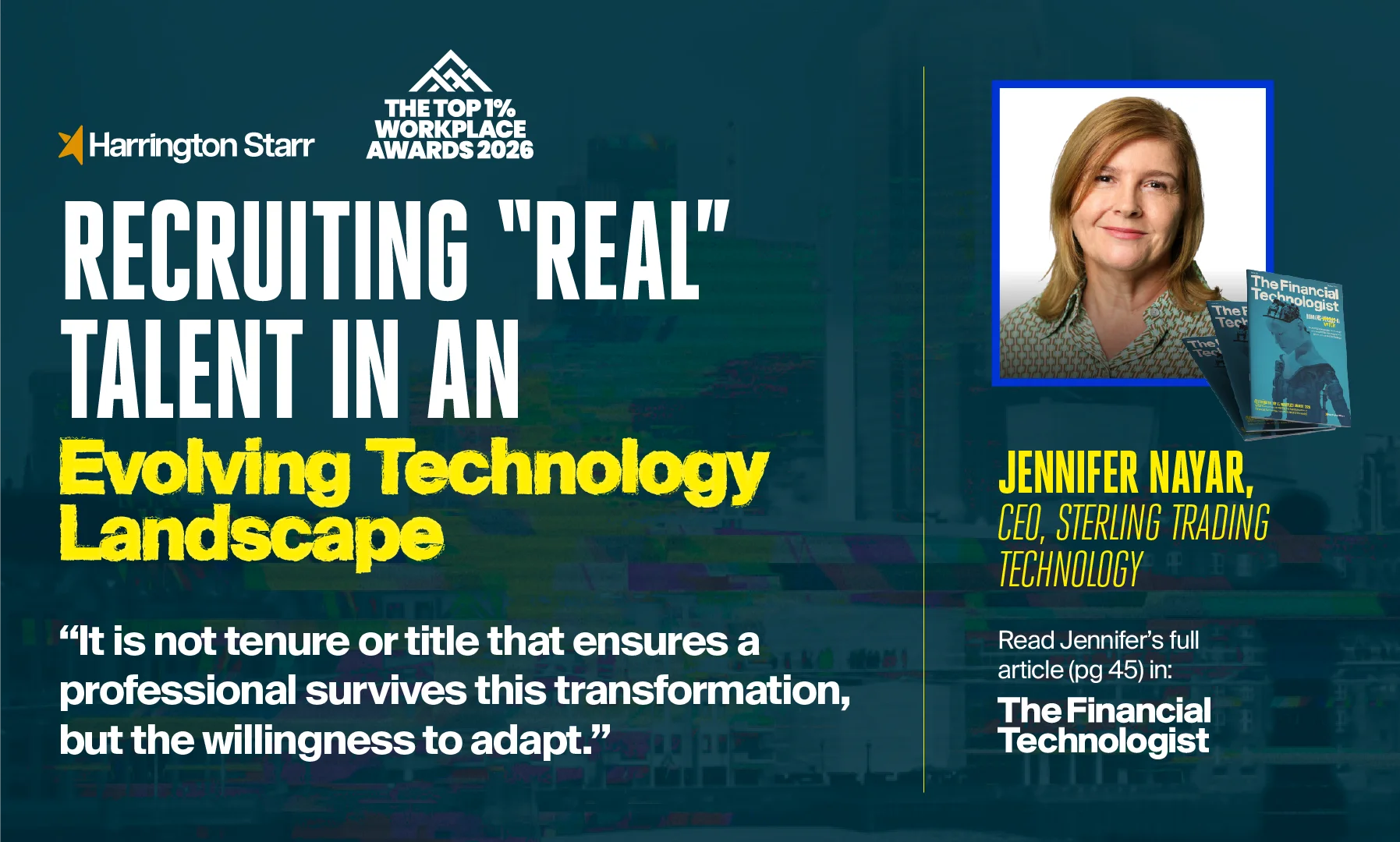
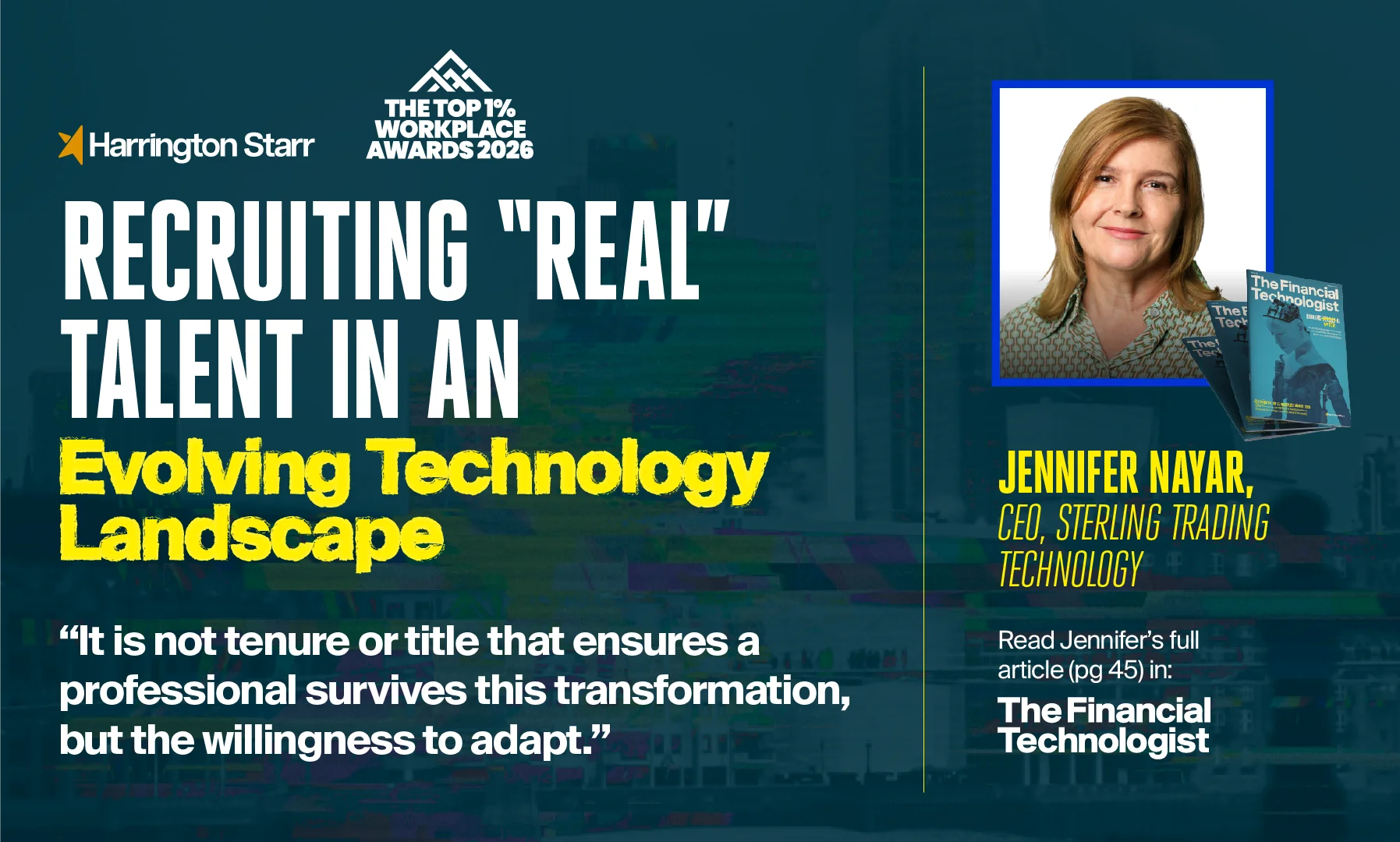
Not since the 1990s has the industry seen such rapid transformation. As in all evolutions, it is not tenure or title that ensures a professional survives this transformation, but the willingness to adapt. Those who embrace AI and tokenization now – rather than merely tolerate them – will define the next era of this industry.
------------------------------------------------------------------------------------
The Skills Shaping the Future of Capital Markets
As AI and asset tokenisation reshape capital markets, financial institutions face a growing challenge in identifying professionals with the skills to navigate technological and regulatory change. Expertise in trading systems remains essential, but employers increasingly need individuals who can combine market knowledge with emerging technologies, commercial awareness and adaptability. Across Capital Markets, this creates new opportunities for specialists who understand both established trading infrastructure and the potential of AI and blockchain-based solutions.
At Harrington Starr, we recognise that successful transformation depends on bringing together technical innovation and deep industry expertise. From Trading Technology recruitment to Risk & Compliance, businesses need professionals capable of developing new solutions while navigating evolving regulatory requirements. The firms best positioned for the next phase of capital markets innovation will be those that attract and develop adaptable talent who can translate emerging technologies into practical, commercially valuable outcomes.