Trading is No Longer Business as Usual
16 Nov, 2026

Being 45 is a peculiar professional condition. You are too senior to enjoy being a begi...
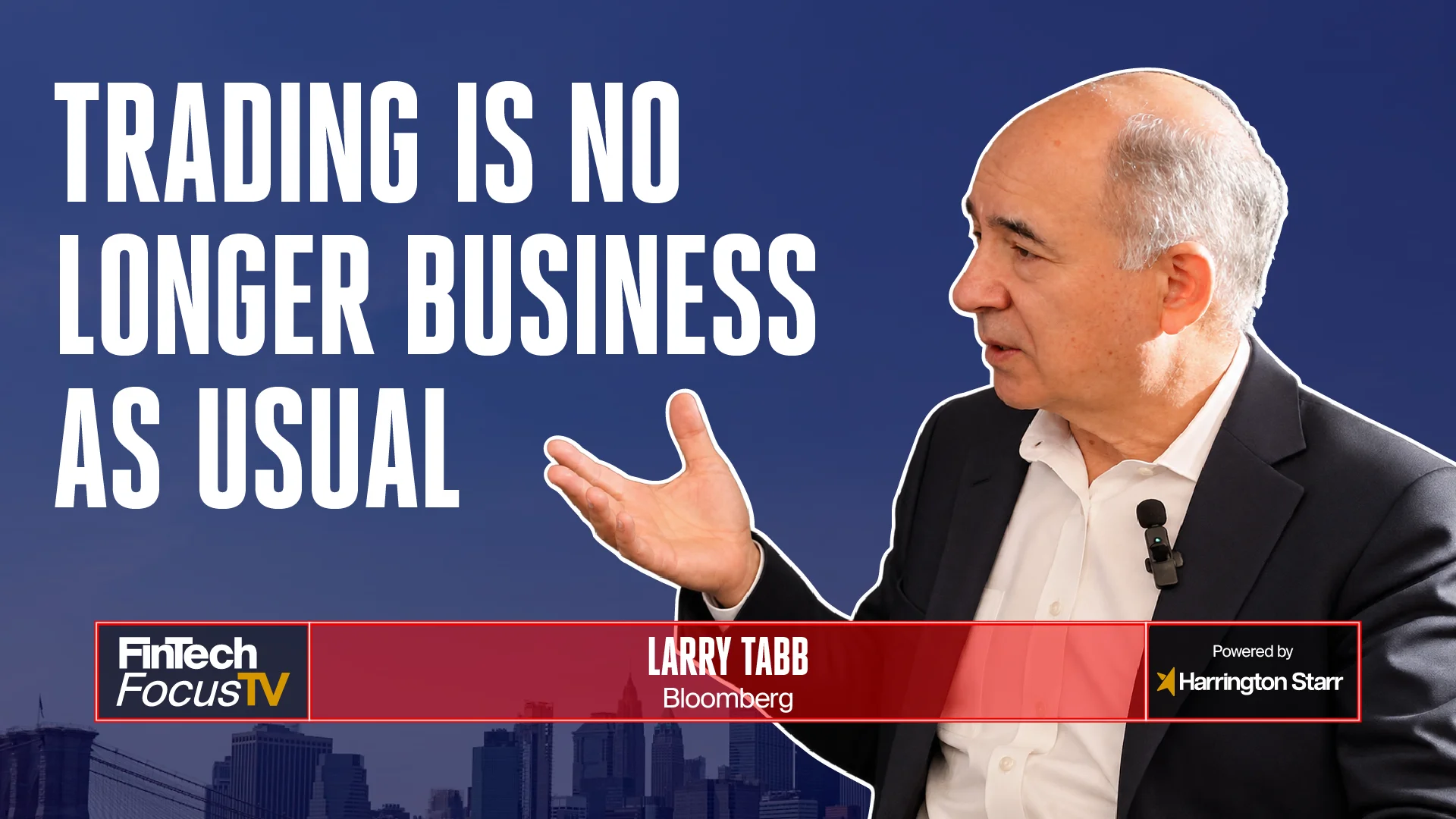
Being 45 is a peculiar professional condition.
You are too senior to enjoy being a beginner and too young to pretend retirement will solve the problem. You have accumulated enough experience to recognise nonsense, but also enough self-awareness to know that some of the nonsense may now be yours.
Then artificial intelligence arrives.
It can write the proposal, analyse the spreadsheet, summarise the meeting and produce the presentation. It does not need sleep, complain about the compensation plan or suddenly discover a “hard stop” when the conversation becomes uncomfortable. And it is improving faster than most corporate learning and development programmes.
This is what it means to be 45 in the age of AI: we have reached the end of the beginning and the beginning of the end of our professional careers. The first half was spent becoming valuable under one economic system. The second will be spent proving that our value can survive another.
My generation entered the workforce before smartphones, social media and cloud computing reorganised professional life. We remember printing MapQuest directions, carrying BlackBerrys and thinking the ability to receive emails at dinner represented freedom. We have already survived the fax machine, digital transformation, blockchain strategies and the metaverse. Our instinct is therefore understandable: remain calm and wait for the latest revolution to become someone else’s abandoned corporate initiative.
But AI is different. It is not merely another technology we will use. It is beginning to perform the individual tasks from which our jobs were constructed.
Some of those tasks will disappear. Others will be completed faster. Many will no longer justify the time, status or compensation previously attached to them. We spent decades accumulating expertise, only to discover that a graduate with an AI subscription can now produce a disturbingly credible imitation of it before lunch.
That is unsettling, and it should be. But it does not make experience worthless. It forces us to distinguish experience from longevity.
Twenty years in an industry can produce exceptional judgment. It can also produce one year of learning repeated twenty times, accompanied by an increasingly important title. AI will expose the difference.
At 45, our advantage is not that we know more facts than the machine. We do not, and the contest would be humiliatingly brief. Our advantage is that we understand consequences.
We have watched apparently brilliant strategies fail because the organisation could not execute them. We have seen incentives distort behaviour, numbers manipulated and small compromises become expensive problems. We know that the most confident person in the room is not always the most competent, although this discovery has done remarkably little to reduce the number of confident people in rooms.
AI can identify patterns across more information than we could ever consume. It can generate alternatives faster than we could consider them, but it has not spent twenty years discovering why technically correct answers so often fail once people, politics, and pressure become involved. That is where experience still matters.
The opportunity is not to compete with machines at being machines. They will win, and they are insufferably calm under pressure. It is to combine machine capability with human judgment.
AI can help us enter meetings better informed, explore more possibilities before choosing one and test our assumptions before reality does it for us. It can remove work that consumes our attention without deserving it, leaving more time for decisions, relationships and problems that require an actual human being.
Used properly, AI does not diminish a 45-year-old professional. It gives twenty years of accumulated judgment greater reach, but there is a catch.
For much of our careers, seniority allowed us to have more answers. In the AI era, leadership may depend on asking better questions. We must become willing to learn publicly, experiment imperfectly, and occasionally accept instruction from younger colleagues who understand the technology better than we do. Nobody particularly enjoys becoming a beginner again at 45. By this age, our knees already provide enough lessons in humility.
This change will also force employers and recruiters to reconsider what competence looks like. When almost anyone can use AI to produce a polished CV, sophisticated presentation or articulate interview answer, appearances become less reliable. The candidate who sounds impressive may be impressive. They may also have spent twenty minutes with a language model.
Recruitment will therefore need to move beyond the quality of the artefact and examine the quality of the thinking behind it. Can this person explain how they reached the answer? Can they challenge the machine? Can they recognise when its output is persuasive but wrong? Will they accept responsibility for the decision?
These are not legacy skills. They become more valuable as intelligence becomes more abundant. The emerging divide will not simply be between humans and machines. It will be between operators and spectators.
Operators use AI to interrogate, create, test, and decide. They know when to trust the output and when to intervene. Spectators accept convenience in exchange for understanding. They gradually outsource not only the work, but the judgment behind it. At 45, becoming a spectator is the real risk.
The technology is powerful, but passivity is a choice. We can defend the tasks that once made us valuable, or we can use AI to extend the judgment those tasks helped us develop. Let the machine retrieve the information, perform the first analysis, produce the early draft and explore the alternatives. Then bring to that work everything a career has taught us about context, power, trust, timing and consequence.
Delegate the work. Never delegate the responsibility.
Being 45 in the age of AI is not the beginning of professional irrelevance. It may be the moment when experience finally separates from expertise—and when those prepared to become beginners once more discover that their most valuable work is still ahead of them.
----------------------------------------------------------------------------------
As AI changes the skills required across Financial Technology, experienced professionals face an opportunity to combine their industry knowledge with new technological capabilities. While AI can automate research, analysis and administrative tasks, it cannot replace the commercial judgement, leadership and understanding of complex business environments developed throughout a career. For organisations investing in Technology Leadership and Change & Transformation, recognising the value of experience alongside adaptability will be essential.
At Harrington Starr, we believe this shift also challenges employers to rethink how they assess talent. Across Financial Services recruitment, polished CVs and interview presentations are becoming less reliable indicators of capability when AI can help produce them. Hiring processes must place greater emphasis on critical thinking, problem-solving, accountability and the ability to challenge AI-generated outputs. The professionals who thrive will not necessarily be those with the longest careers or the strongest technical skills alone, but those willing to keep learning and apply their experience in new ways.
Lorem ipsum dolor sit amet, consectetur adipiscing elit. Etiam sit amet est id augue molestie pharetra suscipit et enim. Donec maximus hendrerit augue, eu posuere eros venenatis eu.