Babb talks to BABB. London & The Future of On Chain Finance
01 April, 2026
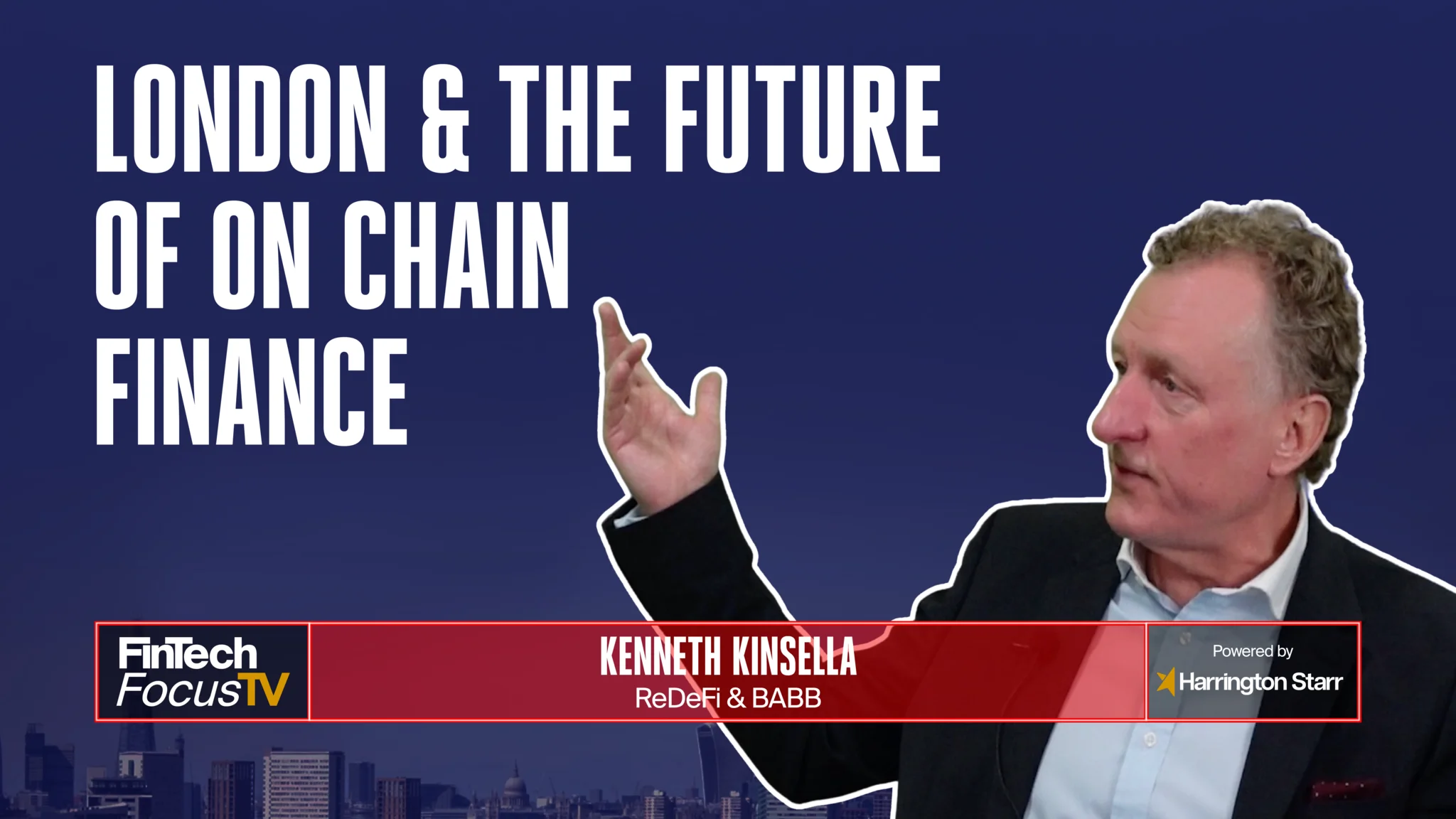

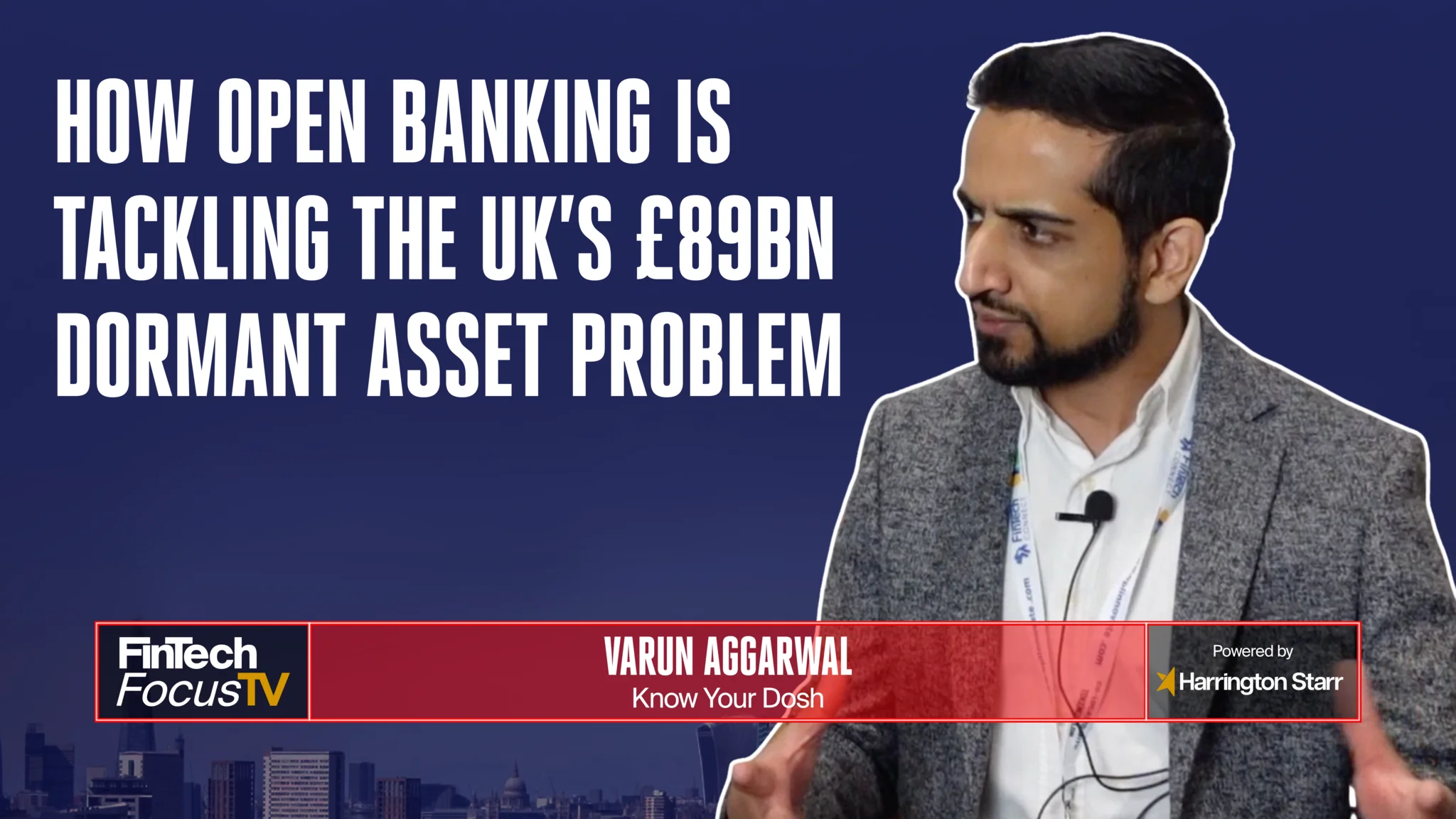
At FinTech Connect 2025, FinTech Focus TV host Carl Charlson sat down with Varun Aggarwal, Founder & CEO of Know Your Dosh, to discuss a financial services challenge hiding in plain sight: £89 billion worth of dormant assets sitting unclaimed in the UK.
This is not simply a consumer inconvenience. It is a systemic issue at the intersection of Open Banking, financial infrastructure, regulation, data access and intergenerational wealth continuity. For anyone operating in financial technology, digital banking, Open Finance, WealthTech or FinTech recruitment, this episode highlights both a structural market inefficiency and a long-term opportunity for innovation.
Varun’s journey into solving the dormant asset problem is deeply personal. He lost his father at the age of 14, and in his family, as in many others, financial knowledge sat largely with one individual. When something happens to that person, families are left not only grieving but navigating uncertainty around financial visibility and access. The issue resurfaced for him during the COVID pandemic, when many families across the UK experienced similar pain points. The underlying problem became clear: in most households, one person manages all financial accounts and documentation. When that person passes away or becomes incapacitated, the rest of the family often does not know where assets are held, what accounts exist, or how to access them.
The result is staggering. Just in the UK, £89 billion worth of assets are lying dormant. No one knows about them. Over time, if assets remain untouched for extended periods, they may eventually be transferred under government dormant asset schemes and used for welfare purposes. While such schemes serve public benefit, the core issue remains that families frequently lose visibility of their own wealth.
For the financial services sector, this is more than a statistic. It represents a significant gap in customer continuity, data aggregation and lifecycle management.
Know Your Dosh was built to tackle this problem using Open Banking and Open Finance infrastructure. The platform allows users to connect multiple financial institutions, pull asset information into one place, and determine who has visibility and access to that information. The concept is not about transferring money. It is about consolidating awareness.
The product enables users to decide who can see what, and when. This shift from transaction control to information control is subtle but important. It sits squarely within the evolving Open Banking ecosystem, where API integration and secure data sharing allow consumers to aggregate financial information across institutions. In this context, the dormant asset challenge becomes not simply a matter of unclaimed funds but a matter of fragmented data.
From a regulatory perspective, Know Your Dosh operates within the frameworks of FCA regulation and GDPR compliance. The company does not handle client funds directly, which differentiates its regulatory obligations from traditional banking institutions. This is a telling insight into how Open Finance solutions can operate within regulatory boundaries while still addressing systemic problems.
For professionals working in FinTech jobs across Open Banking, data engineering, API development, cyber security, product management and compliance, this episode underscores a broader shift. Financial technology is moving beyond payments and transactional speed. It is addressing continuity, transparency and long-term wealth management infrastructure.
The dormant asset issue illustrates how Open Banking is maturing into a foundational layer of financial architecture rather than a compliance exercise.
Recorded live at FinTech Connect 2025, the conversation between Carl Charlson and Varun Aggarwal reflects a growing awareness within the industry that data access is only the beginning. The Open Finance ecosystem is increasingly about what that data enables.
Varun explains that this is not just a UK problem. In the United States, the figure stands at $450 billion in dormant assets. The issue is global in scope, and Know Your Dosh already has users from more than 60 countries. This scale reinforces the idea that fragmented financial visibility is not a local anomaly but a structural inefficiency embedded in modern financial systems.
The platform’s growth has been steady. Know Your Dosh has been live as a product for a year, with two years of development behind it. The company has raised a pre-seed funding round and is now focusing on expanding its partnerships, refining its user journey, and integrating digital ID capabilities from across the world. The expansion into digital identity integration adds another layer to the infrastructure conversation, linking Open Banking data access with identity verification and security.
From a FinTech recruitment perspective, the evolution of products like this signals continued demand for specialised talent across the financial technology ecosystem. As Open Finance platforms expand, organisations require expertise in secure API integration, data aggregation, digital identity solutions, regulatory compliance, customer experience design and scalable cloud infrastructure.
The dormant asset problem is not merely technological. It is behavioural and structural. As Varun describes, most families rely on one person to manage finances. This centralisation of knowledge creates vulnerability. Financial services institutions have historically focused on account ownership and transaction activity, but far less on visibility continuity within households.
This is where the opportunity lies. By enabling aggregated financial overviews through Open Banking, institutions can strengthen customer relationships, improve trust, and reduce asset attrition. Dormant assets represent not only lost wealth for families but lost engagement for institutions.
For banks, wealth managers and financial services firms, partnering with Open Finance platforms offers potential strategic advantages. Enhancing customer loyalty through financial transparency tools could improve long-term retention and cross-sell opportunities. From a commercial perspective, the dormant asset problem highlights a significant untapped area of lifecycle engagement.
In the context of FinTech recruitment, this shift reinforces the importance of talent that understands both technical integration and customer-centric design. Recruitment in areas such as Product Owners, Open Banking Engineers, Data Architects, Compliance Officers and Customer Success Leaders becomes increasingly critical as firms navigate these new infrastructure demands.
An interesting dimension of the conversation is the integration of digital identity solutions. Know Your Dosh has begun accepting digital ID from around the world and is working to ensure that the experience of scanning identification and verifying identity becomes seamless and reliable. As Varun notes, no one looks forward to proving their identity, but the process can be made easier.
The link between digital identity and Open Banking is clear. Both rely on secure data sharing, user consent and regulatory frameworks. As governments announce initiatives such as national digital ID programmes, the interplay between public policy and private FinTech innovation becomes more pronounced.
For professionals considering careers in FinTech, this environment creates expanding opportunities. Roles in digital identity, Open Banking compliance, API security, UX design, regulatory reporting and cloud engineering are all increasingly relevant. FinTech recruitment firms operating across London, New York and Europe are seeing growing demand for individuals who can bridge technology and regulation.
The dormant asset conversation is therefore not isolated. It is connected to the broader Open Finance transformation reshaping financial services globally.
FinTech Focus TV continues to spotlight conversations that sit at the intersection of technology, regulation and financial innovation. Hosted in this episode by Carl Charlson, the discussion with Varun Aggarwal highlights how personal experiences can drive systemic solutions.
The tone of the conversation is practical rather than sensational. There is no overstatement about disruption. Instead, there is a clear articulation of a persistent problem and a technology-enabled path toward improvement.
As financial services evolve, infrastructure-focused FinTech solutions are likely to gain greater prominence. The era of standalone app-based innovation is giving way to embedded, API-driven platforms that sit within broader ecosystems. Know Your Dosh is positioned within this transition, leveraging Open Banking to address a wealth continuity problem that has existed for decades.
For Harrington Starr, operating as a specialist FinTech recruitment business, episodes like this reinforce why the demand for high-calibre financial technology talent remains strong. As Open Finance scales, organisations require leaders capable of navigating complex regulatory environments while building secure, user-centric products.
The £89 billion dormant asset statistic should not be viewed purely as a consumer issue. It signals a structural inefficiency in the way financial information is organised, shared and preserved.
Solving such challenges requires a combination of technical capability and strategic vision. It requires Open Banking engineers who understand secure API integrations. It requires compliance specialists who can navigate FCA and GDPR requirements. It requires product leaders who can design intuitive interfaces for complex financial aggregation tools. It requires cyber security professionals who can protect sensitive financial data at scale.
The FinTech job market continues to evolve alongside these demands. Recruitment across financial technology sectors increasingly focuses on cross-functional skillsets that combine data engineering, regulatory awareness and user experience design. As Open Finance becomes embedded within financial services infrastructure, the need for experienced professionals who can operate within this environment will only grow.
The conversation at FinTech Connect 2025 reflects this broader shift. Financial technology is no longer simply about payments speed or mobile convenience. It is about resilience, transparency and continuity. Dormant assets are a symptom of deeper structural gaps in financial visibility.
Through Open Banking integration, Know Your Dosh seeks to address one aspect of that gap. The journey is ongoing, with international expansion and platform refinement ahead. But the core insight remains clear: financial continuity matters.
Looking ahead, the dormant asset challenge presents both risk and opportunity. Governments have mechanisms to reclaim long-unclaimed funds, but preventative visibility tools offer a more proactive solution. By enabling families to understand and access financial information earlier, platforms built on Open Banking infrastructure can reduce the scale of dormant wealth accumulation.
As Open Finance frameworks continue to develop across the UK and Europe, the integration of asset aggregation, digital identity verification and secure data sharing will likely become standard components of financial ecosystems.
For financial institutions, partnerships with Open Banking platforms may become strategic rather than optional. For FinTech professionals, the skills required to build and maintain such systems will remain in high demand. For FinTech recruitment specialists, identifying talent capable of operating at this intersection of regulation, infrastructure and customer experience will be critical.
The conversation between Carl Charlson and Varun Aggarwal on FinTech Focus TV offers insight into how lived experience can inspire structural innovation. It highlights the scale of the dormant asset problem and the potential for Open Banking to address it. It also reinforces a broader industry truth: financial technology is increasingly about continuity and trust.
As the FinTech sector continues to expand across the UK, Europe and the United States, solving foundational challenges like dormant assets will require sustained collaboration between innovators, regulators, institutions and talent.
For those operating within financial technology, Open Banking, WealthTech or digital financial infrastructure, this episode provides valuable context into one of the sector’s quieter but most significant challenges.
The £89 billion dormant asset figure is not just a headline. It is a signal. And as this episode demonstrates, signals like this often mark the beginning of meaningful transformation within financial services.