The Hiring Move Fintech’s Need to Make
24 March, 2026

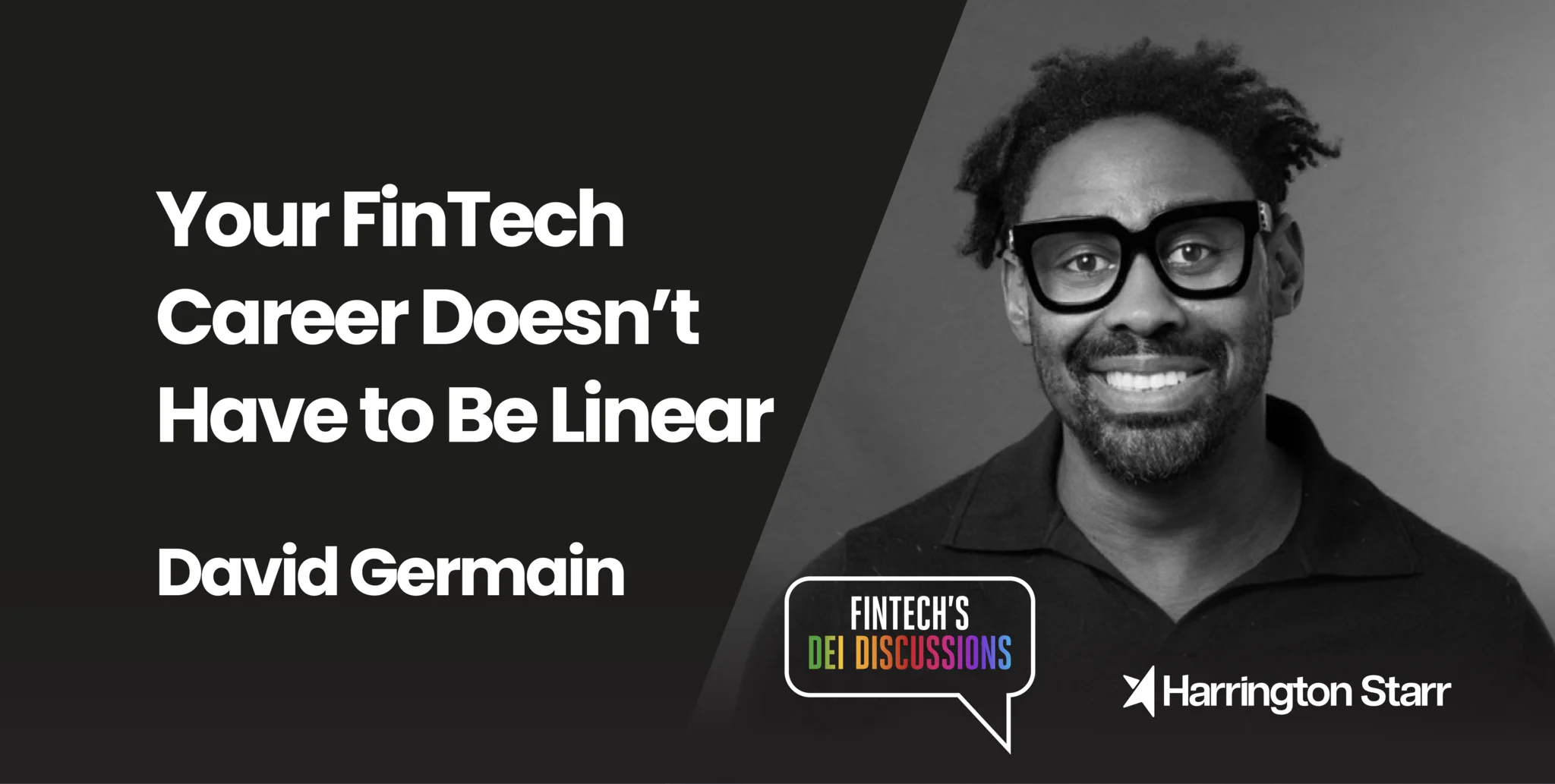
In the latest episode of FinTech’s DEI Discussions, hosted by Nadia Edwards-Dashti, the conversation focuses on leadership, career evolution and the role individuals can play in driving meaningful inclusion across the financial technology industry. Nadia is joined by David Germain, a career technologist who spent more than three decades working across banking, financial services and insurance before moving into a portfolio career as an independent Non-Executive Director working across multiple sectors and an industry judge.
This episode explores the realities of senior leadership in financial technology, the growing importance of governance in complex organisations, and the ways experienced leaders can continue to shape the industry long after leaving traditional executive roles. For professionals working across FinTech, financial services and technology leadership, the discussion provides valuable insight into how careers evolve and how experienced leaders can continue influencing strategy, culture and inclusion at the highest levels.
The conversation also highlights the importance of transferable skills, networks and governance experience in shaping the future of leadership in the FinTech sector. As FinTech organisations continue to scale globally and compete for top talent, understanding the leadership journeys behind successful executives is increasingly valuable for both candidates and employers operating within the financial technology recruitment market.
David Germain’s career began in a way that will resonate with many professionals working in financial technology today. He started as a software developer, gradually working his way through increasingly senior roles in banking, financial services and insurance. Over time he moved into project and programme leadership, overseeing large-scale change initiatives before progressing into executive leadership positions.
Throughout his career he held roles that included Chief Information Officer, Chief Technology Officer and Chief Operating Officer, leading large global teams and complex transformation programmes within major financial services organisations. These positions required responsibility for major technology programmes, strategic change initiatives and operational transformation across multinational businesses.
David reflects on how his career developed naturally through experience, responsibility and exposure to new challenges. By working across large global organisations and managing major programmes of change, he developed a broad perspective on how financial institutions operate, how governance functions at the highest levels of an organisation and how leadership decisions shape the direction of businesses operating within the financial services ecosystem.
For professionals considering careers in financial technology or looking to move into leadership roles, this journey demonstrates the diverse pathways that exist within the FinTech and financial services sectors. It also highlights the importance of technical expertise combined with leadership capability in building a long-term career in the industry.
After more than thirty years in executive roles, David made the decision to step away from traditional leadership positions and pursue a portfolio career as a Non-Executive Director and advisor. This transition reflects a growing trend across financial services, where experienced leaders move into governance and advisory roles after extensive executive careers.
David explains that the move into non-executive roles was not something that happened overnight. During his executive career he had already been involved in several external organisations, including serving as Chair of the Welsh Rugby Players Association and acting as a trustee for professional associations. These experiences introduced him to governance roles and expanded his network across industries.
Through these connections, opportunities began to emerge that allowed him to contribute his expertise to organisations in new ways. By working across different sectors and organisations simultaneously, he was able to build a portfolio career that leveraged his experience while also offering the opportunity to work on a wider range of initiatives.
However, the transition from executive leadership to a portfolio career also comes with its own challenges. David describes how working with multiple organisations requires constant context switching and careful time management. In his current role he works with several organisations simultaneously, each requiring different insights, governance perspectives and strategic input.
This shift requires a completely different way of working compared to traditional executive roles. Instead of operating within a single organisation with structured routines, leadership teams and daily operational responsibilities, portfolio careers involve balancing different commitments, reviewing board materials, advising leadership teams and travelling to attend meetings with various organisations.
For professionals exploring the future of work within financial services and FinTech, this transition highlights how leadership careers are evolving. Increasingly, experienced executives are choosing to apply their expertise across multiple organisations, shaping strategy and governance from board-level positions rather than operational leadership roles.
One of the central themes of the conversation is the idea of transferable skills and how leadership experience gained during executive careers translates into board-level governance roles.
David explains that executives who operate at the most senior levels of organisations naturally gain exposure to governance structures. Senior leaders regularly interact with board committees, present performance updates, discuss strategy and engage in conversations around corporate governance, risk management and corporate responsibility.
These experiences provide valuable insight into how organisations operate at a strategic level. Executives develop an understanding of how boards evaluate performance, assess risk and make long-term decisions about the future of the business.
As a result, many of the skills required for non-executive roles are developed naturally through executive leadership. By working closely with governing bodies and participating in strategic discussions, executives gain the experience necessary to contribute effectively in boardroom environments.
David also emphasises that strong leaders often wear multiple hats during their careers. CEOs frequently encourage senior executives to take on responsibilities beyond their immediate function, allowing them to develop broader perspectives on organisational strategy and governance.
These experiences help leaders build the breadth of knowledge needed to operate effectively at board level. They also demonstrate why transferable skills are increasingly important in the evolving FinTech and financial services job market.
While portfolio careers offer flexibility and variety, David highlights that the transition can be more complex than many people expect. One of the biggest challenges is adapting to the lack of structured routines that typically exist in executive roles.
During his executive career, David had a regimented schedule that included regular meetings with leadership teams, structured decision-making processes and predictable working patterns. Moving into a portfolio career required adjusting to a completely different way of working.
Some days involve reading governance materials and preparing for board meetings, while others require travel to different organisations or advising leadership teams on strategic decisions. Managing time effectively across multiple organisations becomes a critical skill.
Despite these challenges, David notes that portfolio careers can also offer greater balance and opportunities for personal growth. With more flexibility, leaders can pursue interests outside their professional responsibilities, spend more time with family and engage in activities that support personal wellbeing.
This shift reflects broader changes occurring across leadership roles within financial services and FinTech. Increasingly, professionals are exploring career paths that prioritise flexibility, impact and intellectual curiosity alongside traditional leadership responsibilities.
Alongside leadership and governance, another major theme of the conversation is diversity, equity and inclusion within financial technology. David speaks openly about the responsibility leaders have to ensure that opportunities are accessible to people from all backgrounds.
For David, inclusion is not about amplifying a message or creating visibility for its own sake. Instead, it is about ensuring that organisations build structures that enable equal opportunity. This includes creating governance frameworks, policies and cultural environments that support diverse talent across the industry.
He emphasises that inclusion should be part of everyday conversations within leadership teams and boardrooms. When organisations actively discuss diversity and equality as part of their strategic agenda, they are more likely to create meaningful change.
David also highlights the importance of consistency. Leaders who care about inclusion should continue raising the topic and ensuring it remains visible within organisational discussions. Over time, this consistency becomes part of a leader’s reputation and personal brand.
In the context of the financial technology industry, these conversations are particularly important. As FinTech companies scale rapidly and compete globally for talent, organisations must create environments that attract diverse professionals and support long-term career development.
For FinTech recruitment firms such as Harrington Starr, these themes are closely connected to the evolving hiring landscape. Organisations increasingly recognise that diverse leadership teams and inclusive cultures are essential for innovation, growth and long-term success.
Towards the end of the episode, David shares practical advice for individuals who want to drive change within their organisations. His message is simple: get involved and do not remain passive.
Many organisations already have diversity committees or internal initiatives designed to support inclusion. However, these initiatives rely on the participation and energy of employees to become effective.
David encourages professionals to actively engage with these initiatives, whether that means organising events, supporting programmes or connecting external speakers with organisations. Even small contributions can help create momentum that drives meaningful change.
He shares an example of an individual who invited him to speak at a Black History Month event after following his work online. That invitation led to a conversation that helped raise awareness and encourage discussion within the organisation.
This example illustrates how individual actions can contribute to broader change within the industry. By participating in conversations and supporting initiatives, professionals can help shape more inclusive workplaces across financial services and financial technology.
The conversation between Nadia and David provides a valuable perspective on how leadership careers are evolving across the FinTech sector. As technology continues transforming financial services, leadership roles are becoming increasingly complex and interconnected.
Executives must navigate technological innovation, regulatory change, global competition and talent shortages simultaneously. At the same time, organisations must ensure strong governance frameworks that support responsible growth and sustainable business practices.
Non-executive directors and advisors play a critical role in guiding organisations through these challenges. By bringing experience from across industries and organisations, they provide independent perspectives that help leadership teams make better strategic decisions.
For professionals working within FinTech and financial services, understanding these leadership journeys provides insight into how careers may evolve over time. Technical expertise, governance knowledge and leadership capability are all essential for building long-term influence within the industry.
This episode of FinTech’s DEI Discussions highlights that careers in financial technology rarely follow a straight path. Instead, they evolve through experience, opportunity and a willingness to embrace new challenges.
For organisations seeking to attract and retain the best talent in financial technology, these leadership journeys also demonstrate the value of investing in people, building inclusive cultures and supporting professionals as they develop their careers.
As the FinTech ecosystem continues expanding globally, the ability to combine technical expertise, strategic leadership and inclusive thinking will remain central to the success of both individuals and organisations across the industry.