Why You’re Hiring Wrong in FinTech
02 April, 2026
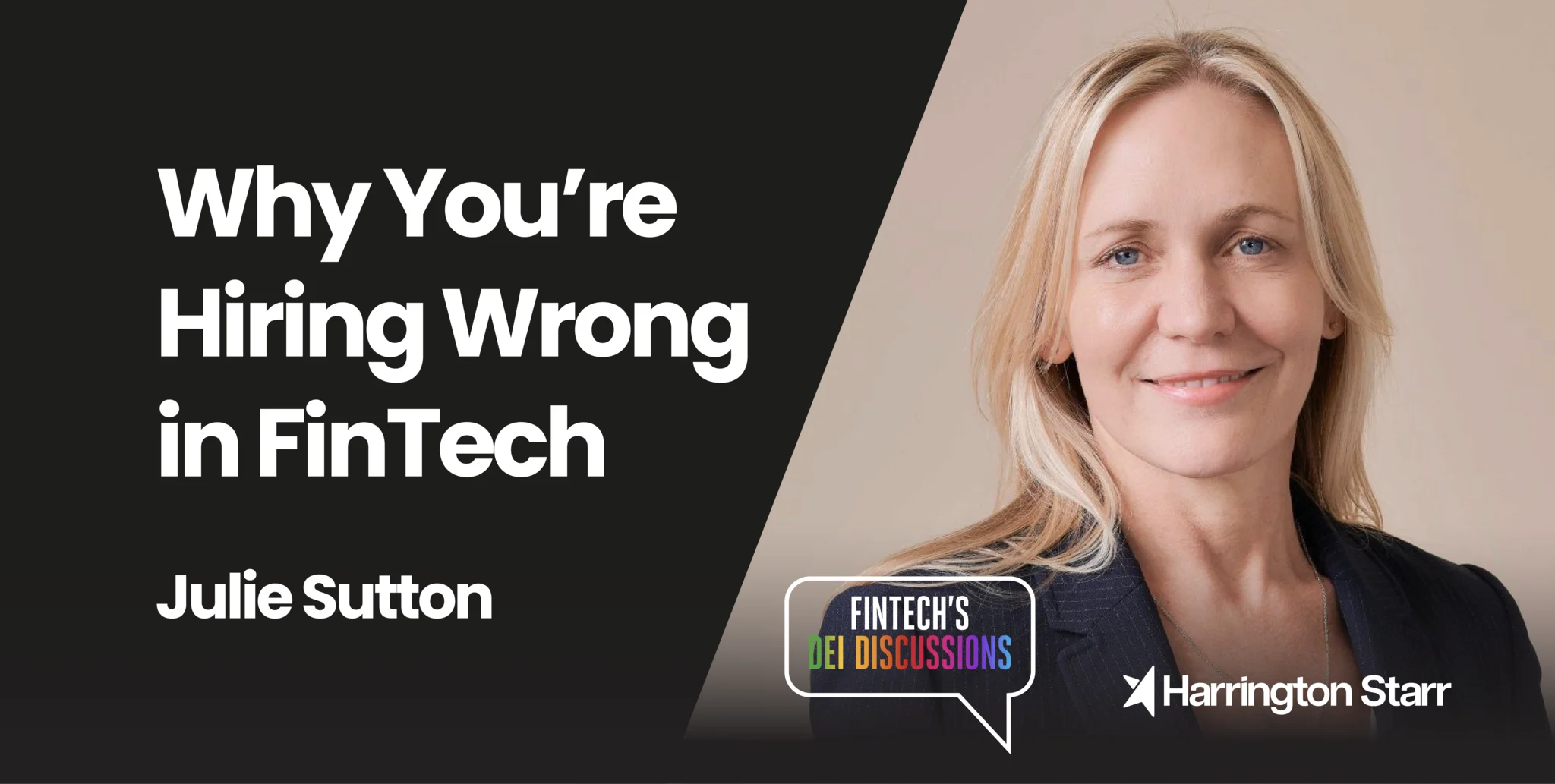

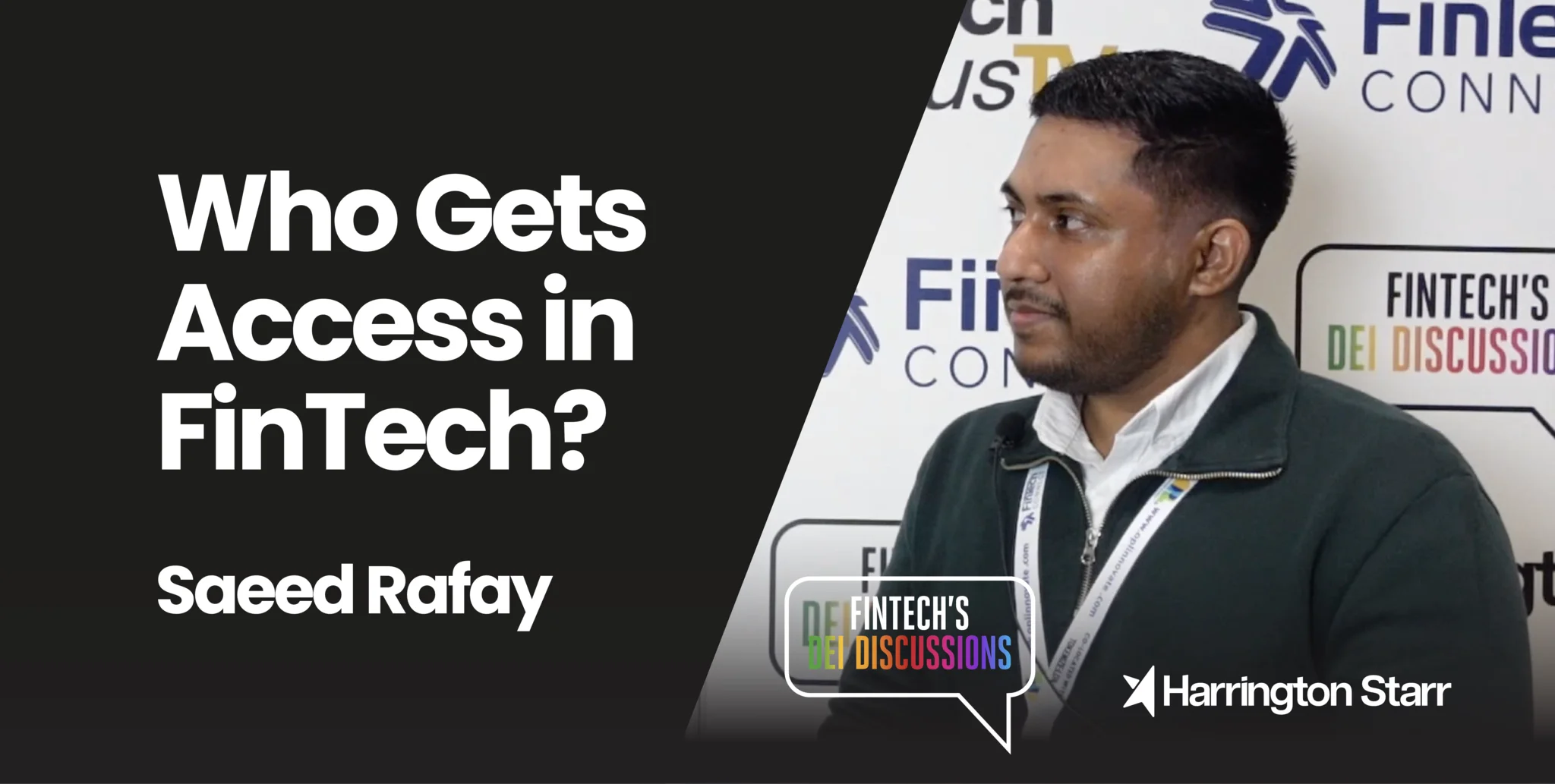
Recorded live at FinTech Connect 2025, this episode of FinTech's DEI Discussions brings together Nadia and Saeed Rafay, Innovation & Digital Transformation Leader at ABN AMRO Bank, for a grounded, experience-led conversation about access, opportunity, and what real inclusion looks like inside the financial technology sector.
From the opening moments, the focus of the discussion is clear. This is not a surface-level conversation about diversity as a concept. Instead, it is a practical exploration of how access to opportunity, information, and conversation shapes careers in FinTech, and how innovation itself depends on who is invited into the room. Recorded in the heart of one of the industry’s most influential events, the episode reflects both the privilege of being present at FinTech Connect and the responsibility that comes with it.
Early in the episode, Saeed shares his professional journey, grounding the conversation in lived experience rather than theory. With more than a decade of experience across engineering, technology, and innovation, Saeed has spent the last five years at ABN AMRO Bank, recently moving into a role focused on innovation and digital transformation. What stands out in his story is not only technical progression, but the importance of access along the way.
Saeed speaks openly about coming from an underprivileged background and how the accessibility of opportunities shaped his career. While hard work played a role, he is clear that progress was also enabled by people who opened doors, advocated for him in rooms he could not access, and made space for his voice. This framing is central to the episode’s message. FinTech careers are not built on merit alone; they are built on opportunity, exposure, and sponsorship.
For anyone working in FinTech recruitment or hiring within financial technology, this perspective is critical. Talent potential often exists long before opportunity arrives, and inclusive hiring is less about lowering standards and more about recognising capability before it fits a traditional mould.
As the discussion turns to FinTech Connect 2025 itself, Saeed reflects on the event not just as a networking opportunity, but as a space of privilege. The knowledge shared, the conversations overheard, and the people present represent a level of access that many aspiring technologists never experience.
Saeed describes the insights, ideas, and innovation on display as valuable precisely because they are not universally accessible. Being able to speak directly to banks, startups, and technology leaders is not the norm for many people entering the industry. This acknowledgement reframes industry events as more than professional milestones; they are gateways to opportunity.
For FinTech employers and recruitment partners, this highlights an important responsibility. Access to insight and exposure cannot remain limited to those already inside the ecosystem. If innovation is to thrive, organisations must find ways to extend these conversations beyond conference walls.
One of the most powerful threads in the episode is Saeed’s commitment to amplifying access for others. Drawing on his own background, he explains how his experience has shaped a desire to widen the circle for people who do not traditionally have access to FinTech conversations.
Rather than positioning himself as a gatekeeper of knowledge, Saeed actively works to share what he learns through his work in innovation. Whether through conversations, mentorship, or content, his focus is on making insights available to those who would otherwise be excluded. This approach challenges a common industry pattern where expertise circulates within closed networks.
From a FinTech recruitment perspective, this reinforces the idea that talent pipelines are strengthened when information is shared openly. Candidates from non-traditional backgrounds often lack visibility rather than ability. Bridging that gap requires intentional effort, not passive intention.
Throughout the conversation, innovation is consistently linked to inclusion. Saeed makes a clear case that organisations cannot expect meaningful innovation if they only invest in people who already fit established profiles.
He explains that many individuals entering FinTech and technology roles do not come from conventional backgrounds, yet often outperform peers once given opportunity. The ability to learn, adapt, and innovate frequently emerges when people are trusted with responsibility rather than filtered out by narrow criteria.
This insight carries direct relevance for FinTech hiring strategies. Innovation and digital transformation depend on diverse ways of thinking, problem-solving, and lived experience. Recruitment processes that prioritise pedigree over potential risk limiting both growth and resilience.
A recurring message in the episode is the importance of offering opportunity before someone is considered “ready.” Saeed challenges organisations to rethink how they define readiness, particularly when evaluating candidates from underrepresented or underprivileged backgrounds.
Rather than seeking only those who already look successful on paper, he encourages leaders to invest in potential. In his experience, individuals who are given access often exceed expectations, bringing new energy and ideas into teams that would otherwise stagnate.
For leaders responsible for FinTech recruitment, this is a call to action. Inclusive hiring is not a risk to performance; it is a catalyst for innovation. Organisations that fail to recognise this risk falling behind in an increasingly competitive market.
The conversation also explores Saeed’s own podcast, The Change Dude, which he describes as an extension of his commitment to accessibility. His motivation is rooted in the belief that change sits at the centre of most meaningful stories, both personal and professional.
Through his podcast, Saeed aims to make conversations about technology, innovation, and change accessible to those who are typically excluded. Drawing on insights from his work at ABN AMRO and his consultancy work with SMEs across the UK and Europe, he creates space for dialogue rather than one-way instruction.
This mirrors the ethos behind FinTech’s DEI Discussions. Both platforms exist to open doors, not just highlight problems. They reflect a broader shift within the industry towards transparency, shared learning, and collective responsibility.
When asked what more companies can do to support inclusion, Saeed’s response is direct. Opportunity matters more than intention. If organisations want innovation, energy, and growth, they must give people the chance to contribute, even when those individuals are not yet seen as obvious choices.
This extends beyond underprivileged backgrounds alone. Saeed emphasises that inclusion benefits businesses themselves by unlocking perspectives that would otherwise remain untapped. Innovation does not emerge from homogeneity; it thrives on difference.
For FinTech employers navigating competitive hiring markets, this message is particularly timely. Talent shortages cannot be solved by recycling the same profiles. Expanding access expands possibility.
In the closing moments of the episode, Saeed offers practical advice for listeners at every level of their organisation. Inclusion does not require seniority. It requires action.
He encourages individuals to involve others in conversations, invite voices that are not yet represented, and create space for people who have not traditionally been part of innovation discussions. These small, consistent actions accumulate into meaningful change.
For leaders, this means modelling inclusive behaviour rather than delegating it. For hiring managers, it means questioning assumptions about who belongs in FinTech. For recruiters, it means advocating for potential as well as experience.
This episode of FinTech’s DEI Discussions serves as a reminder that the future of financial technology depends on who is allowed to shape it. Access, opportunity, and inclusion are not peripheral concerns; they are central to innovation, performance, and sustainability.
For Harrington Starr, as a FinTech recruitment business working closely with candidates and clients across the ecosystem, these conversations sit at the heart of long-term industry health. Hiring decisions made today shape the leadership, culture, and innovation of tomorrow.
Recorded live at FinTech Connect 2025, this discussion captures a moment where responsibility meets opportunity. It challenges listeners to think beyond diversity statements and towards meaningful action. In doing so, it reinforces a simple but powerful truth: when doors open, innovation follows.