The Hiring Move Fintech’s Need to Make
24 March, 2026
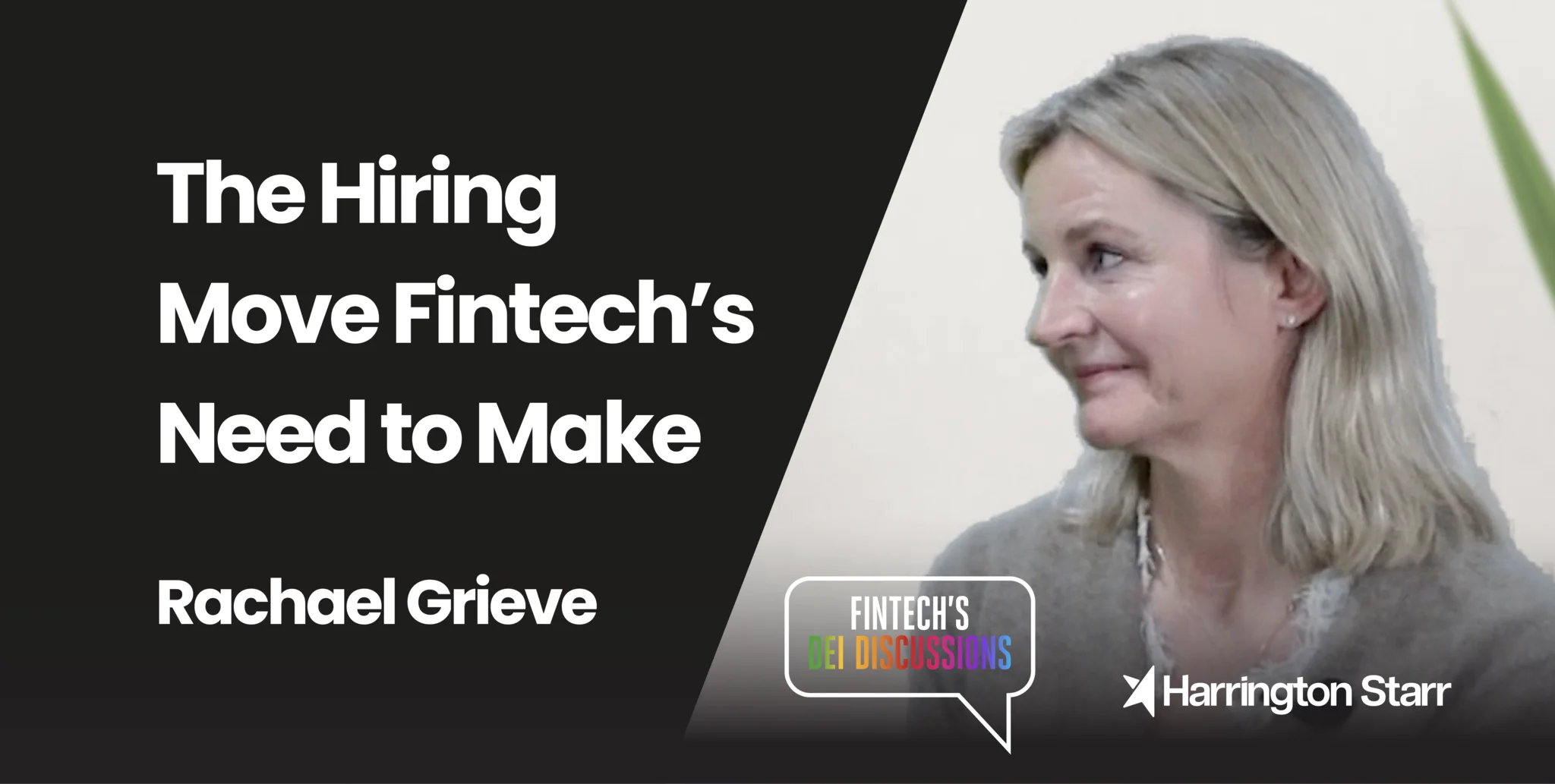

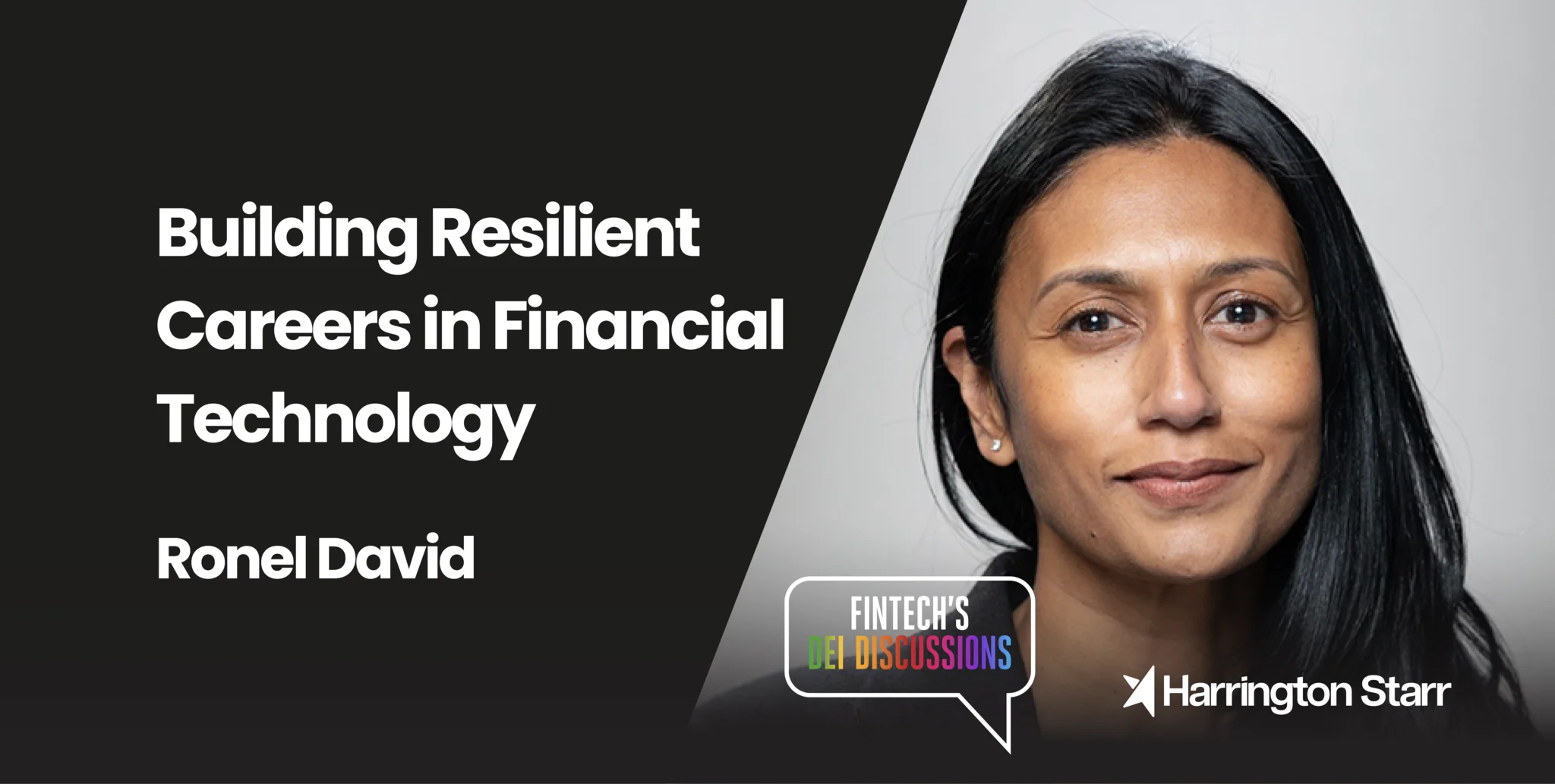
In this episode of FinTech’s DEI Discussions, hosted by Nadia Edwards-Dashti, the conversation with Ronel David, Non-Executive Director, Advisory Board Member, and FinTech mentor, offers a powerful and timely perspective on how careers in financial technology are evolving. For professionals working across FinTech, financial services, and capital markets, this episode goes far beyond traditional career advice. It challenges long-held assumptions about job security, identity, and progression, while offering a more resilient, future-focused way of thinking about careers in the industry.
Ronel begins by sharing her own journey, which she describes as anything but linear. Having spent nearly three decades across banking and FinTech, she has worked in roles spanning commercial growth, payments, treasury, innovation, and strategy. Her career has evolved from execution within organisations to shaping strategy at a board and advisory level. What stands out immediately is a consistent thread throughout her career: curiosity. This curiosity has driven her to explore how financial systems work, but more importantly, who they do not work for. This perspective is particularly relevant in today’s FinTech landscape, where inclusion, access, and innovation are deeply interconnected.
For those operating in FinTech recruitment, this conversation highlights a critical shift. Employers are no longer just hiring for experience within a defined role. They are increasingly looking for individuals who can think laterally, adapt to change, and contribute to broader strategic outcomes. Ronel’s career is a clear example of how diverse experiences across financial technology can build long-term value.
A central theme throughout the episode is the importance of building a career based on value rather than titles. Ronel makes it clear that job titles are temporary. Companies restructure, industries evolve, and roles change. What remains constant are the underlying assets that professionals build over time: their skills, judgement, relationships, and reputation.
This is a particularly important message for professionals navigating FinTech jobs today. The sector is undergoing rapid transformation, driven by advancements in technology, regulatory change, and shifting market dynamics. As a result, the traditional career ladder is becoming less relevant. Instead, careers are becoming more fluid, often resembling portfolios of experiences rather than linear progressions.
From a FinTech recruitment perspective, this shift is significant. Hiring managers are increasingly prioritising transferable skills, adaptability, and commercial awareness over rigid career paths. Candidates who can demonstrate a breadth of experience, alongside depth in key areas, are better positioned to succeed in this evolving market.
Ronel also highlights the importance of mentorship in building this value. For her, mentorship is not simply about giving advice. It is about creating meaningful connections, listening, and, crucially, providing belief and access. In financial services, opportunities often move through informal networks. Without intentional efforts to widen those networks, inclusion becomes accidental rather than deliberate.
This insight is particularly relevant for organisations looking to improve diversity within their FinTech hiring strategies. Building inclusive teams requires more than good intentions. It requires structured approaches to mentorship, sponsorship, and access to opportunities.
One of the most impactful parts of the discussion centres on career resilience. Ronel reflects on a pivotal moment during COVID-19, where she realised she had outsourced too much of her sense of security to her employer. This is a reality that many professionals across financial technology experienced during that period.
Her message is clear: no employer can provide everything. They cannot simultaneously be your source of income, identity, growth, and security. This realisation has led her to advocate for a more diversified approach to careers, where individuals build multiple sources of value and opportunity.
For those working in FinTech recruitment, this shift is already evident. Candidates are increasingly looking for roles that offer flexibility, learning opportunities, and long-term career development rather than just stability. At the same time, employers are recognising the need to create environments that support continuous growth and adaptability.
Ronel encourages professionals to think of their careers as portfolios rather than ladders. This means investing in skills, building networks, and creating opportunities beyond a single organisation. It also means developing an identity that can withstand change, whether that is redundancy, restructuring, or industry disruption.
This perspective aligns closely with current hiring trends across FinTech. Organisations are seeking individuals who can navigate uncertainty, bring new ideas, and contribute to innovation. As a result, the ability to demonstrate resilience and adaptability has become a key differentiator in the job market.
Another key theme explored in the episode is the role of networks in shaping careers. Ronel emphasises that opportunities rarely come from broadcasting ambition. Instead, they emerge from meaningful connections and value exchange.
She shares examples from her own career, including her involvement with mentoring programmes and industry networks such as Women in Payments. These experiences have not only allowed her to support others but have also led to unexpected opportunities, including advisory roles and collaborations.
This concept of value exchange is particularly important. Rather than focusing solely on what you can gain from a network, Ronel highlights the importance of contributing to it. By sharing knowledge, supporting others, and building genuine relationships, professionals can create ecosystems of opportunity that benefit everyone involved.
For those in FinTech recruitment, this insight is critical. Strong networks are often the foundation of successful hiring strategies. The best candidates are not always actively looking for new roles. They are often identified through relationships, referrals, and ongoing engagement within the industry.
This is why building and maintaining networks is essential for both candidates and employers. It is not something that can be done reactively. As Ronel points out, it is important to build your network before you need it. If the only people who recognise your value are within your current organisation, your career is inherently fragile.
As the conversation progresses, Ronel turns her focus to the importance of continuous learning. In an industry as dynamic as financial technology, skills can quickly become outdated. Regulation evolves, technology advances, and new business models emerge.
For professionals working in FinTech jobs, this means that learning is not optional. It is essential for staying relevant and competitive in the market. Ronel describes lifelong learning as a fundamental part of her career, with each investment in education and skills development delivering significant returns.
This has direct implications for FinTech recruitment. Employers are increasingly looking for candidates who demonstrate a commitment to learning and development. This includes both formal education and practical experience, such as taking on new challenges, working across functions, and adapting to different environments.
Ronel also highlights the importance of stepping outside your comfort zone. Growth often occurs in unfamiliar situations, where individuals are required to learn, adapt, and innovate. However, she also stresses the importance of being selective. Taking on too much can lead to burnout, so it is important to focus on opportunities that align with your values and goals.
This balance is particularly relevant for professionals navigating career progression in financial services. While it is important to seek new challenges, it is equally important to ensure that those challenges contribute to long-term growth and fulfilment.
The final part of the discussion focuses on inclusion, a core theme of the FinTech’s DEI Discussions series. Ronel is clear that inclusion is not a side initiative or a matter of charity. It is a fundamental requirement for the future success of the financial technology industry.
She highlights the commercial benefits of diversity, noting that inclusive organisations are better positioned to compete and innovate. However, she also emphasises that inclusion must be embedded at every level of an organisation. This includes hiring practices, leadership structures, investment decisions, and regulatory frameworks.
One of the most important points she makes is that inclusion is not just about representation. It is about access to power, decision-making, and opportunity. This includes control over revenue, profit and loss, and client relationships. Without this level of access, inclusion efforts are unlikely to deliver meaningful change.
For FinTech recruitment businesses like Harrington Starr, this presents both a challenge and an opportunity. Supporting clients in building inclusive teams requires a strategic approach, from ensuring diverse shortlists to advising on inclusive hiring practices and organisational design.
Ronel also stresses the importance of measurement. What organisations choose to measure and reward ultimately shapes their culture. If inclusive leadership is not part of performance metrics, it risks becoming optional rather than essential.
This insight is particularly relevant for employers looking to attract and retain top talent in financial technology. Today’s candidates are increasingly looking for organisations that demonstrate a genuine commitment to inclusion, not just in their messaging but in their actions.
As the episode concludes, it becomes clear that the future of careers in FinTech will require a fundamental shift in mindset. The traditional model of stable, linear progression is being replaced by a more dynamic, adaptable approach.
For professionals, this means taking ownership of their careers, investing in their development, and building networks that extend beyond their current roles. For employers, it means creating environments that support growth, inclusion, and innovation.
For FinTech recruitment businesses, this evolution presents an opportunity to play a more strategic role. By understanding these shifts and supporting both clients and candidates in navigating them, firms like Harrington Starr can position themselves at the forefront of the industry.
Ronel’s insights provide a clear roadmap for this future. By focusing on value, building meaningful connections, and embracing continuous learning, professionals and organisations alike can create careers and businesses that are resilient, inclusive, and built for long-term success.
Ultimately, this episode is a reminder that careers in financial technology are not defined by titles or organisations. They are defined by the value individuals create, the relationships they build, and the impact they have on the industry.